The Rolex secondary market has always had its own rhythm-sometimes predictable, often surprising, and occasionally completely contrary to what mainstream luxury narratives suggest. Over the past year, that rhythm has shifted again, and not in the direction many expected.
Instead of modern steel sports models leading appreciation, it’s the smaller, older, and often overlooked references-especially within the Lady-Datejust family-that are quietly outperforming the rest of the catalog. What we are seeing is less about hype and more about a structural re-evaluation of size, wearability, and historical identity.
This is not just a Rolex story. It’s a broader reflection of how collectors now define value.
Rolex Secondary Market Momentum and the Rise of Smaller Case Proportions
The most recent data from the Rolex resale ecosystem shows an interesting baseline trend: overall values have increased moderately, but the real movement is happening beneath the surface.
Mid-size and vintage references-particularly those under 36mm-are showing significantly stronger appreciation curves than modern oversized models. The standout trend is not just growth, but where
- that growth is concentrated.Models such as the Rolex 6827 and several Lady-Datejust variations have recorded double-digit gains in average value, with some references climbing far beyond expectations. The implication is clear: the market is rediscovering proportions that were once considered “too small,” but now feel refreshingly balanced.This shift also reflects a behavioral change. Buyers are no longer chasing wrist dominance-they are chasing comfort, heritage, and subtle identity.
Lady-Datejust Leading the Charge in Secondary Market Rolex Prices
Among all Rolex collections, the Lady-Datejust has emerged as the unexpected leader in appreciation performance. While historically overshadowed by Submariners and Daytonas, it now occupies a central position in market growth.
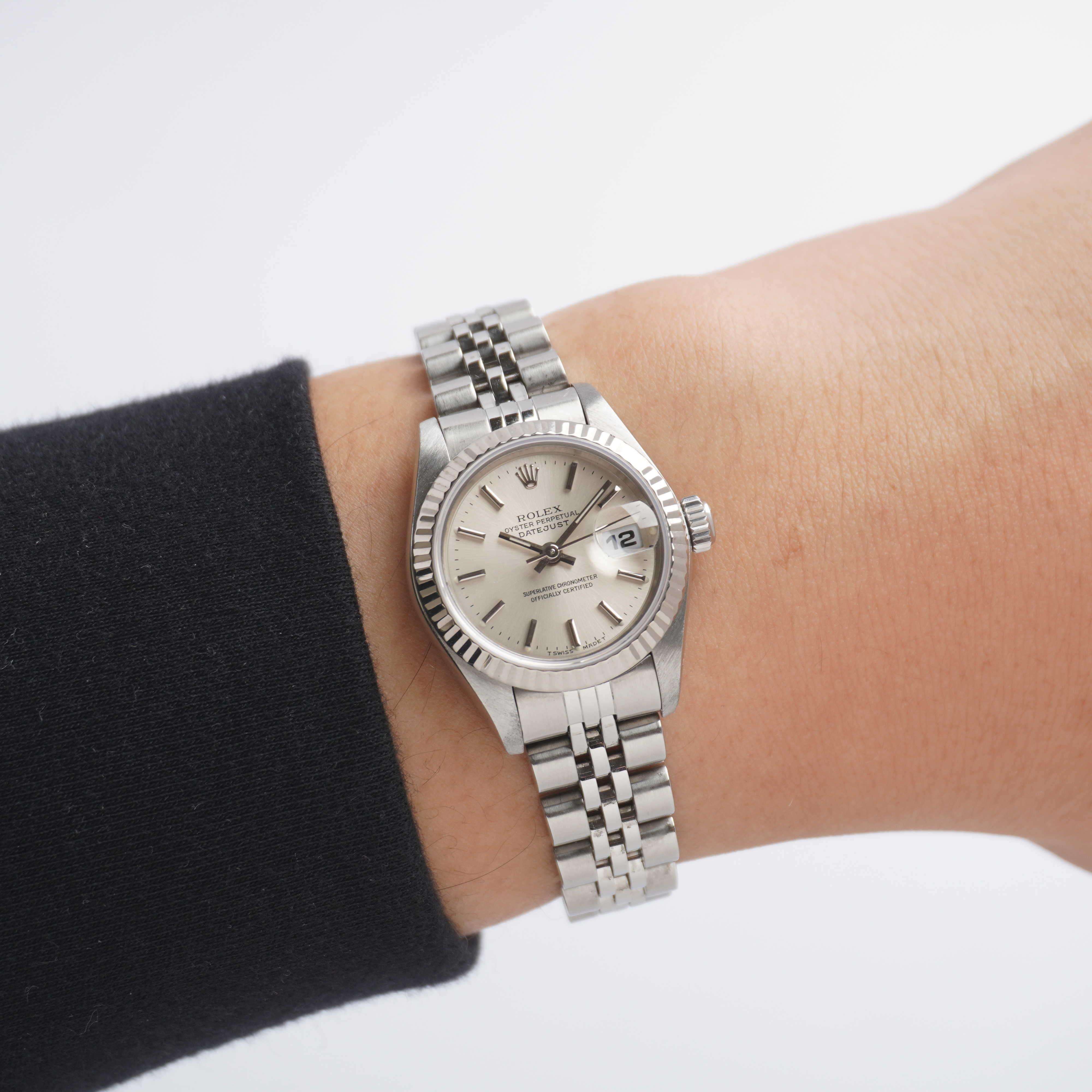
The most notable driver is the performance of discontinued 26mm references, which have become increasingly scarce since Rolex phased them out in favor of slightly larger cases.
Several Lady-Datejust references now dominate the top-performing segment of Rolex appreciation charts, including vintage models from the 1970s and 2000s. The result is a collection that has quietly transitioned from “entry-level women’s Rolex” to a serious collector category.
From a collector’s perspective, this is not surprising. The Lady-Datejust retains all the core Rolex traits-Oyster case construction, chronometer-certified movements, and timeless dial architecture-but in a format that feels increasingly aligned with modern tastes.
The irony is that while larger sports models once symbolized power, smaller dress-oriented watches now communicate refinement.
The Vintage Breakout: Rolex 6917, 179174, and the Power of Discontinued Sizes
If there is one segment driving the conversation, it is the vintage Lady-Datejust references, especially those with 26mm cases.
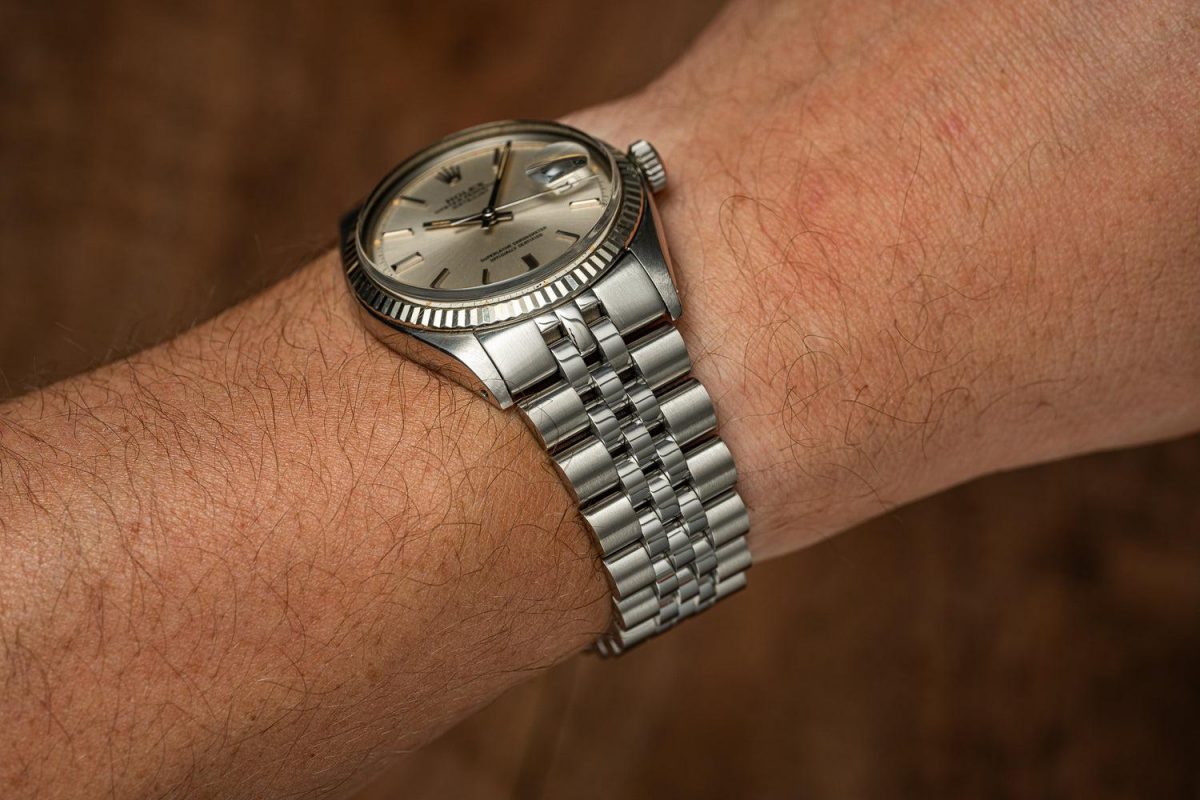
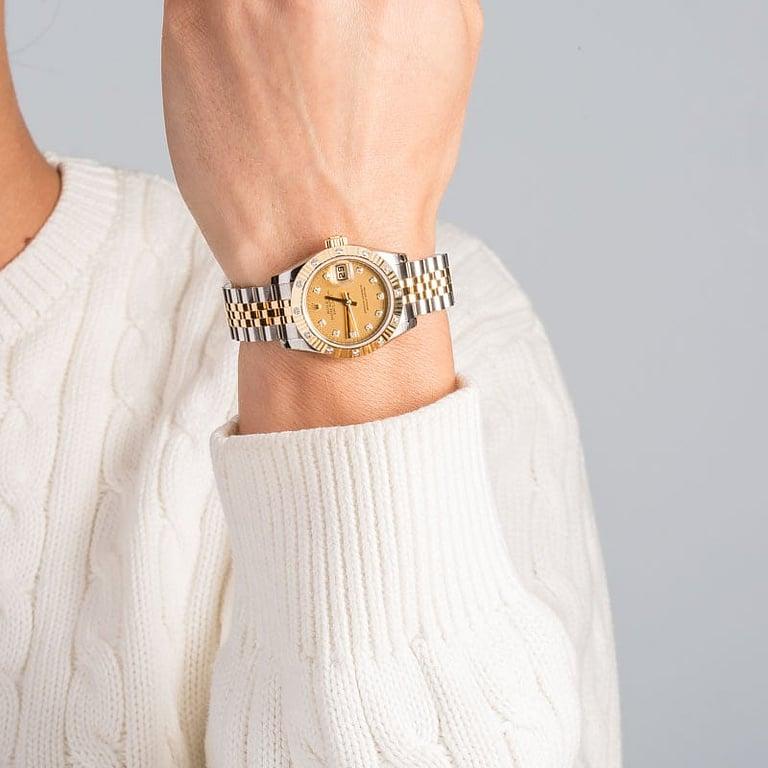
The Rolex 6917 is perhaps the clearest example of this momentum. Produced between the 1970s and early 1980s, it embodies a design language that feels unmistakably classic: fluted bezels, Jubilee bracelets, and dial variations that range from minimal silver tones to richly textured champagne finishes.
Its appeal today lies not just in aesthetics, but in character. Many surviving examples show natural aging-softened lume, slightly warm dial tones, and subtle case rounding that modern polishing cannot replicate.
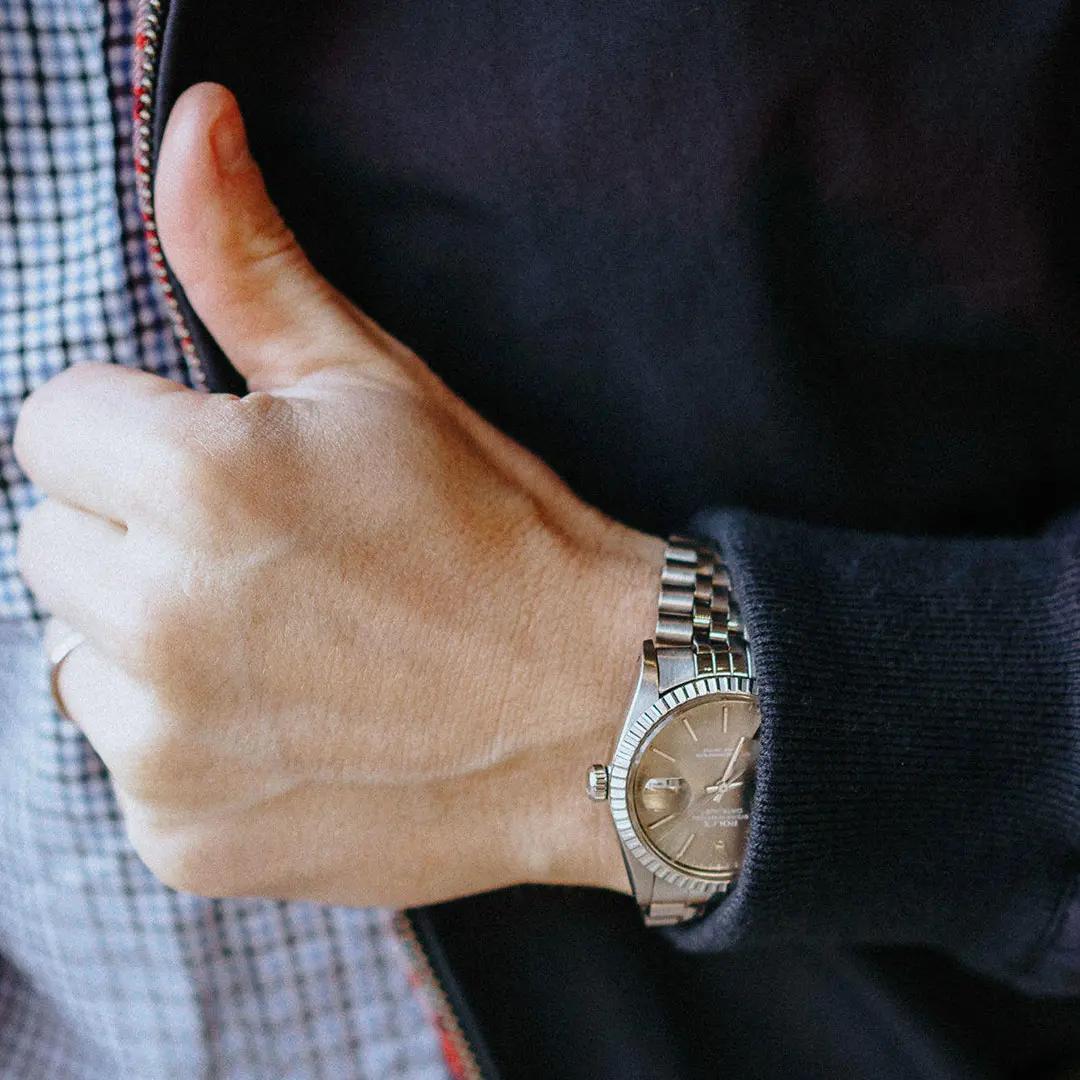
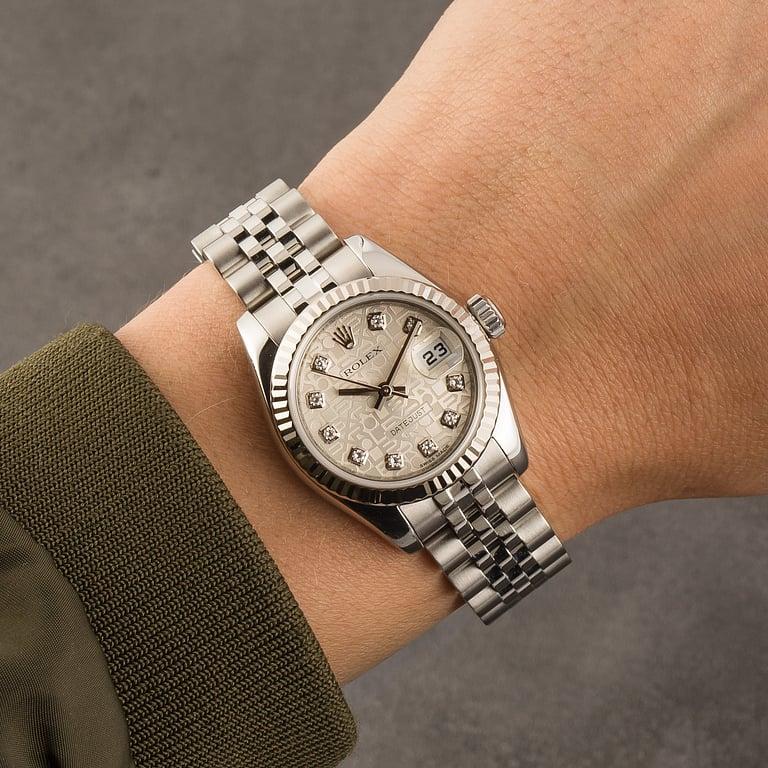
The Rolex 179174, on the other hand, represents a transitional phase. Produced in the mid-2000s, it blends modern durability with traditional proportions. Its 904L steel construction and white gold fluted bezel give it a more contemporary presence, yet it still retains the compact 26mm identity that collectors now actively seek.What makes these references particularly interesting is their divergence in personality:
- The 6917 feels warm, almost analog in character
- The 179174 feels controlled, precise, and modern
- Both, however, are benefiting from the same macro trend: shrinking case preference
- The appreciation in these models is not speculative hype-it is driven by scarcity. Once Rolex discontinued the 26mm size in 2015, the supply side effectively froze.
Mechanical Identity: Movements, Bezel Design, and Evolution Across Generations
Behind the market movement lies a quieter but equally important technical story.
Older Lady-Datejust models were powered by calibers such as the 2030 and 2035, which, while robust, lacked the convenience of modern quickset date functionality. This meant adjusting the date required more manual interaction-a small but noticeable difference in daily wear experience.
Later models, such as those using the Caliber 2235, introduced improved precision and usability, aligning the Lady-Datejust more closely with modern expectations.
The evolution of case materials is equally important. Transitioning from earlier steel constructions to 904L stainless steel brought increased corrosion resistance and a more refined finish, particularly under light.
Bezel design also plays a subtle role in perception. Fluted bezels in white gold create a visual rhythm that enhances the compact case, making smaller watches appear more detailed rather than diminished.
These technical layers matter because they influence how collectors assign value-not just emotionally, but structurally.
Why Vintage Rolex Datejust 26mm Models Are Suddenly Outperforming Expectations
A striking part of the current market is the performance of vintage four- and five-digit references, many of which now outperform newer counterparts.
Models like the Rolex 1550 Date and Rolex 16030 Datejust highlight this trend clearly. The 1550, with its gold-shell construction, represents an era when Rolex experimented with accessible luxury through layered materials. While once underappreciated, it is now gaining recognition for exactly that reason.
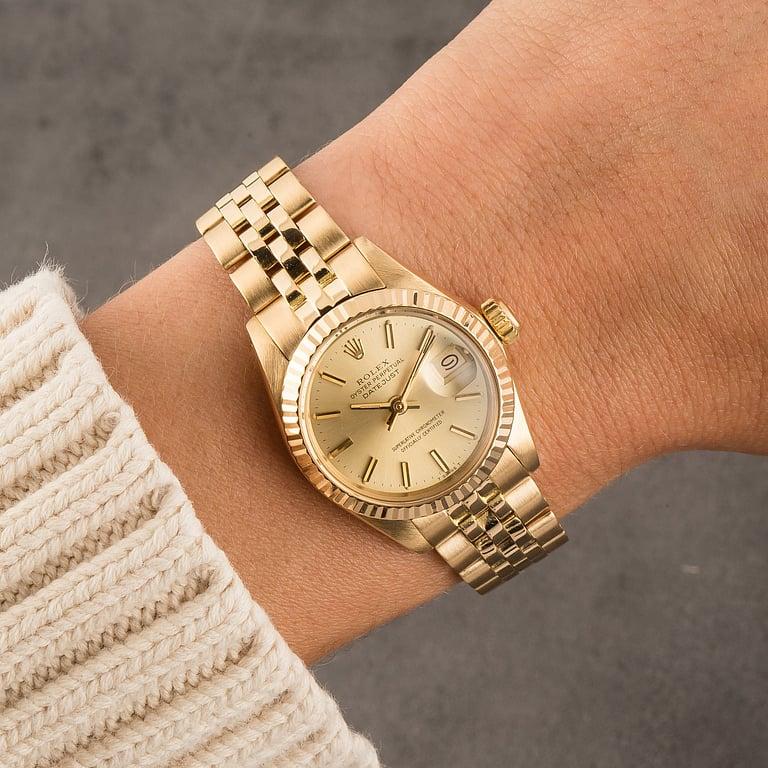
The 16030, produced between 1977 and 1988, represents another milestone: the final era of acrylic crystals paired with the introduction of the quickset Caliber 3035. It sits at a fascinating intersection between old-world charm and functional modernization.Common traits among these rising references include:
- Acrylic crystals with soft visual distortion
- Engine-turned bezels offering a less formal aesthetic
- Rare dial textures such as linen and tapestry finishes
- Naturally aged tritium lume developing creamy patina
- These details were once considered imperfections or outdated design choices. Today, they are precisely what collectors are paying for.It is also worth noting that broader search interest in terms like vintage Rolex Datejust 26mm
- and secondary market Rolex prices
- has increased significantly, reflecting growing mainstream curiosity.
The Cultural Shift: From Oversized Watches to Quiet Luxury Proportions
The most important factor behind this market shift is not mechanical or historical-it is cultural.
For much of the early 2000s and 2010s, oversized watches dominated. Bigger cases were associated with status, visibility, and modern masculinity. But that narrative has weakened.
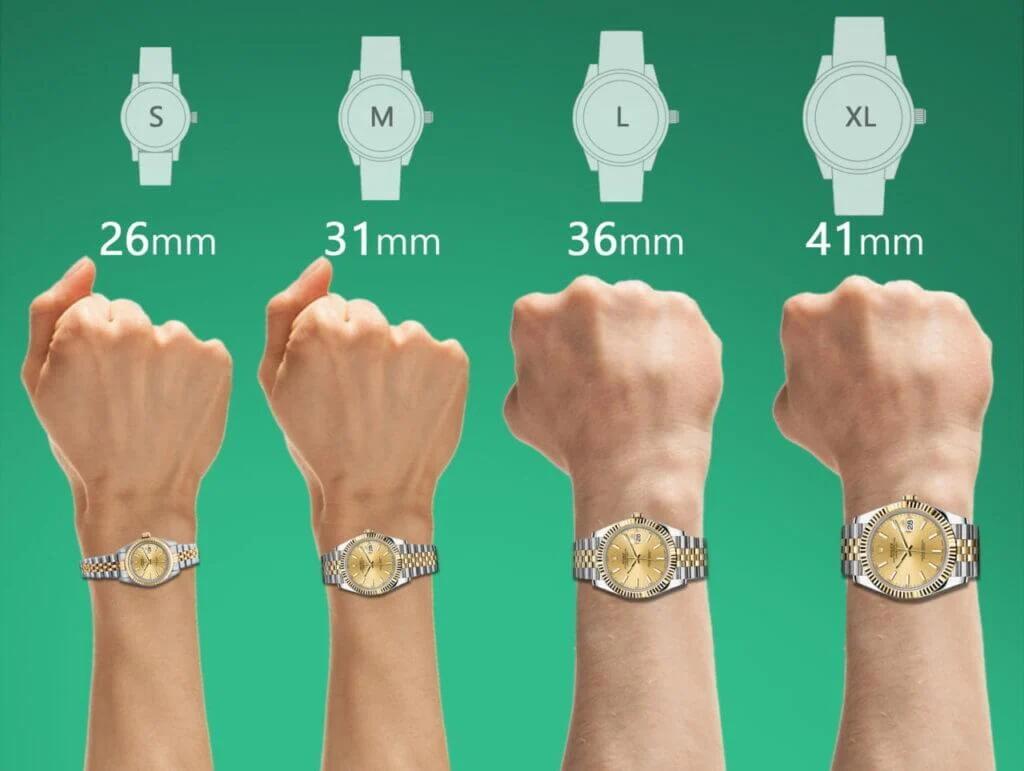
Today, the preference has shifted toward restraint. Watches in the 34mm–36mm range are now considered the “sweet spot,” while 26mm and 31mm cases are gaining renewed relevance, especially in vintage categories.
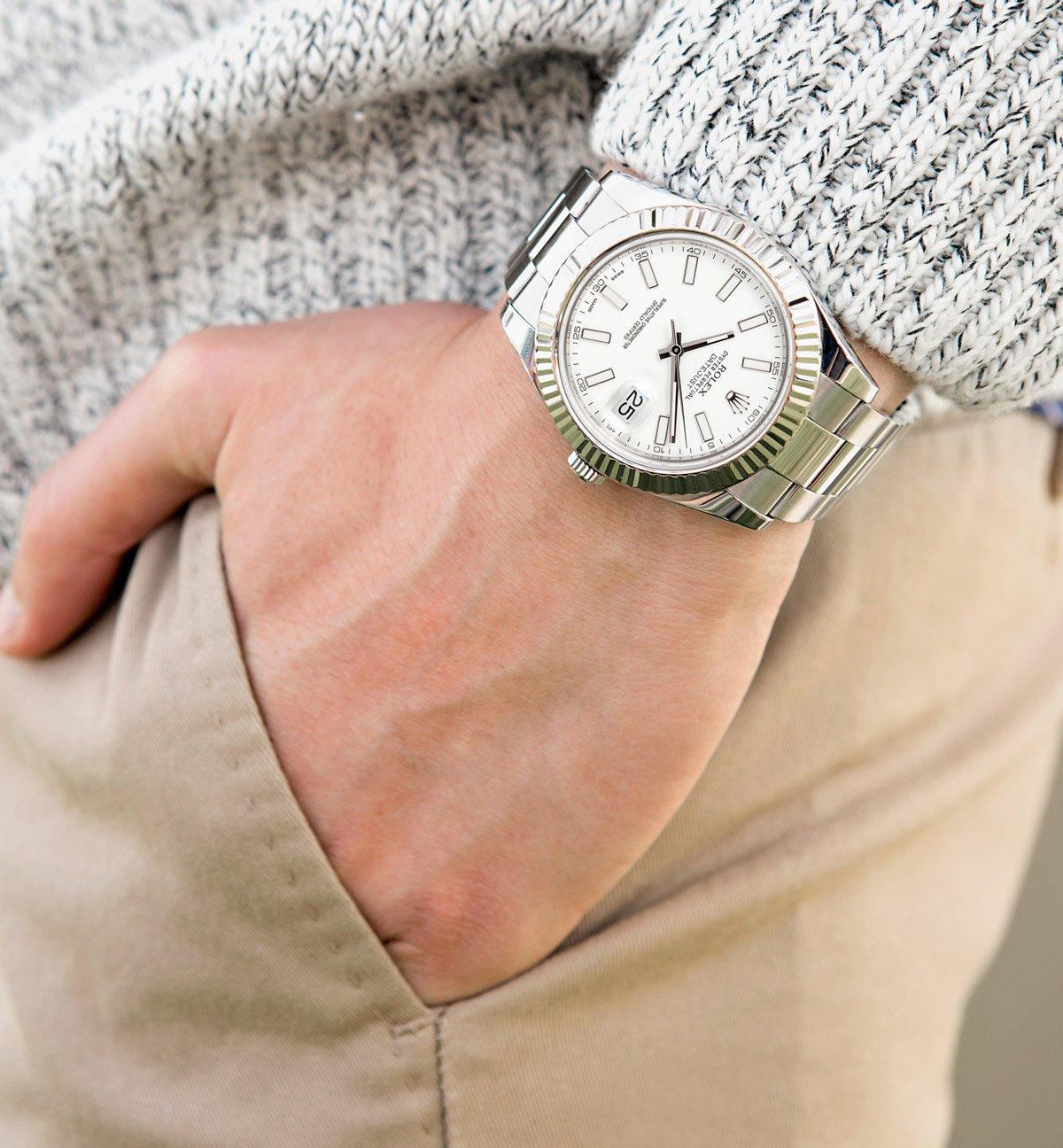
This is where the concept of “quiet luxury” becomes relevant-not as a marketing term, but as a measurable shift in taste. Collectors are increasingly prioritizing:
- Wearability over dominance
- Heritage over novelty
- Subtlety over attention-seeking design
Smaller watches naturally align with these preferences. They sit closer to the wrist, integrate better with clothing, and age more gracefully in styling terms.Even discussions around replica rolex watches, replica watches, and high quality replica watches reflect this shift indirectly. The interest is no longer only about brand hierarchy-it is about achieving a certain aesthetic identity at multiple price levels. However, from a collector’s standpoint, authenticity and provenance remain the defining long-term value drivers.
Collector Psychology and the Long-Term Outlook for Rolex Appreciation
One of the most interesting aspects of the current market is how psychology is influencing pricing more than pure technical differentiation.
Collectors are increasingly drawn to watches that feel “finite.” That word matters. A watch like the Rolex 6917 or 16030 is not just vintage-it is permanently capped in supply. No new production run will ever dilute its scarcity.
This creates a different type of value curve compared to modern Rolex sports models, which still exist in ongoing production cycles.
There is also a growing appreciation for imperfection. Slight dial fading, uneven lume coloration, or softened case edges are no longer considered flaws-they are part of the narrative.
From an investment perspective, three categories currently stand out:
- Discontinued small-case Datejust models
- Vintage four-digit Rolex references
- Early five-digit transitional models
Interestingly, even broader keyword interest such as replica rolex watch, replcia watches, and replica rolex watches for salereflects how strong Rolex demand has become globally, even if most long-term collectors ultimately gravitate toward genuine vintage examples due to provenance and historical value.The market is not simply rising-it is fragmenting into micro-trends driven by size, era, and emotional resonance.
What we are witnessing is not just a pricing anomaly. It is a recalibration of taste.
The dominance of smaller Rolex references-particularly Lady-Datejust models and vintage Datejust 26mm pieces-signals a broader return to intimacy in watch design. These are watches meant to live with the wearer, not broadcast from across the room.
The irony is that the same models once dismissed as “too small” or “too delicate” are now outperforming expectations in both sentiment and market value.
And perhaps that is the most Rolex thing about this entire trend: what was once overlooked eventually becomes inevitable.