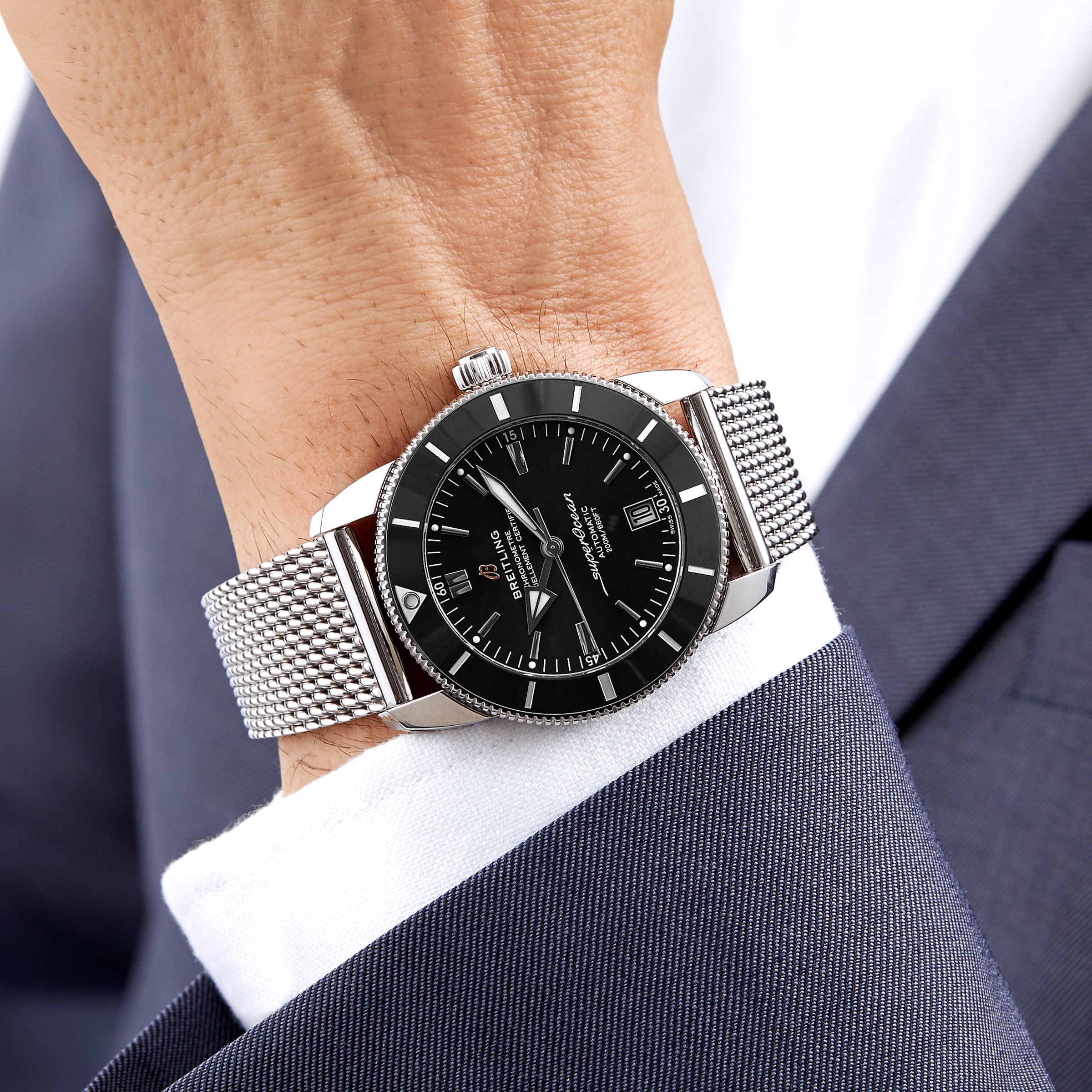
 From aviation cockpits to city streets, the brand’s watches have earned their place on the wrists of adventurers, professionals, and style-conscious individuals alike. Among Breitling’s most iconic creations, two models stand tall – the Chronomat and the Navitimer.
These watches aren’t just two popular references from the same brand. They’re contrasting philosophies molded in steel and function: one born from military collaboration, the other from the golden age of aviation. Both are technically sophisticated. Both have legacies stretching across decades. Yet they couldn’t feel more different on the wrist or in spirit.
This isn’t just another comparison. This is a new look at what sets the Breitling Chronomat and the Navitimer apart – in design, purpose, and personality. Whether you’re a collector, a first-time buyer, or someone simply curious about the mechanics of excellence, here’s an honest, side-by-side journey into two titans of the Breitling universe.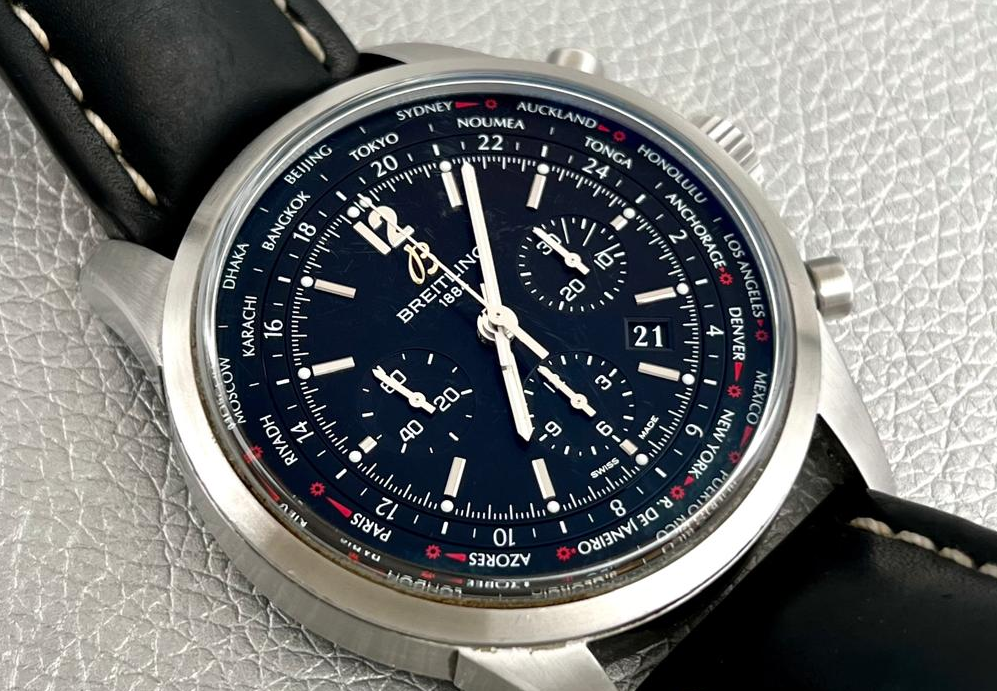
The Navitimer first launched in 1952, created for pilots who needed more than just the time. It integrated a circular slide rule bezel, allowing users to perform flight-related calculations like fuel consumption, airspeed, and distance. At a time when in-flight computers were still science fiction, the Navitimer was the instrument panel on the wrist.
The Chronomat, on the other hand, was reintroduced in 1984 with a very different mission. After the quartz crisis nearly buried Swiss mechanical imitation watches, Breitling responded not with nostalgia, but with defiance – a big, bold, automatic chronograph with a unique rider-tab bezel. It was developed in collaboration with the Italian Air Force’s Frecce Tricolori, and it was a clear message: mechanical chronographs still had a future.
In short, the Navitimer is the refined mathematician of the skies. The Chronomat is the bold fighter pilot ready for action.
Navitimer watches are instantly recognizable for their busy yet beautiful dial. A typical Navitimer features three subdials, a bidirectional slide rule bezel, a tachymeter, and minute/second tracks all packed tightly within its circular space. The look is technical, refined, and unmistakably vintage-inspired. Despite the visual density, the design has a harmonious elegance, especially in recent slimmer iterations.
Chronomat models, in contrast, are more muscular and sporty in design. With onion crowns, rider tabs on the bezel (used for grip and function), and integrated metal bracelets – particularly the bold “Rouleaux” bracelet – the Chronomat brings a powerful wrist presence. The dials are simpler but bolder, usually with applied indices and deep subdials. It’s a watch that looks ready for battle.
Where the Navitimer says “precision instrument,” the Chronomat says “all-terrain chronograph.”
Both models frequently feature Breitling’s in-house Caliber B01 – a COSC-certified chronograph movement with a 70-hour power reserve, column wheel, and vertical clutch. It’s a movement known for reliability, serviceability, and smooth operation. Whether you choose Navitimer or Chronomat, you’re not compromising on mechanical quality.
Navitimers often showcase their movement through sapphire casebacks, leaning into transparency and craftsmanship. Some special editions also feature additional complications like world time or calendars, appealing to pilots and frequent flyers.
The Chronomat, however, typically leans into ruggedness – solid casebacks, robust water resistance (often up to 200 meters vs. the Navitimer’s 30-100 meters), and sportier touches. It may have the same heart as the Navitimer, but it’s clearly built to take more of a beating.
When you strap on a Navitimer, you’re wearing a piece of aviation history. It feels refined, detailed, and precise – the kind of watch that pairs beautifully with a pilot jacket, a business suit, or even a smart weekend outfit. Sizes typically range from 41mm to 46mm, with thinner profiles in modern models making them surprisingly comfortable.
The Chronomat, on the other hand, has more of a sports-watch attitude. The Rouleaux bracelet hugs the wrist uniquely, and its substantial case and wider lugs give it a modern silhouette. It’s the type of watch that works as well with a T-shirt as it does with a leather jacket or even a dress shirt – if you’re confident enough to wear it.
Put simply: the Navitimer whispers “heritage.” The Chronomat speaks “modern versatility” in a louder voice.
While both watches appeal to luxury watch lovers, they cater to different mindsets.
The Navitimer is ideal for:
Aviation enthusiasts
Fans of technical dials and historical icons
Those who want a refined chronograph with vintage flair
The Chronomat is ideal for:
Sportier wearers
People seeking versatility between business and adventure
Anyone wanting a bold, wrist-dominating chronograph with personality
Both watches offer prestige and performance – it just depends on whether you identify more with the cockpit or the combat zone.
In terms of value retention, the Navitimer arguably has stronger long-term collectibility due to its iconic status and longer production history. However, the Chronomat – especially the post-2020 redesign – is gaining traction among younger buyers looking for modern silhouettes and contemporary luxury.
Choosing between the Breitling Navitimer and the Breitling Chronomat isn’t about picking the better watch kotwatches.com – it’s about choosing the watch that better matches you.
If you’re captivated by the romance of flight, inspired by cockpit gauges, and love the idea of a classic that never fades, the Navitimer is your airborne companion.
If you’re drawn to mechanical strength, crave modern sportiness, and want a watch that can handle anything from boardroom pressure to mountain adventure, the Chronomat may be your perfect co-pilot.
Both watches carry the Breitling badge with pride. Both tell time with precision, heritage, and heart. But only one will feel right when you look down at your wrist.
In the end, whether you choose skybound heritage or steel-borne versatility, you’re not just wearing a watch – you’re making a statement.